
Dumpster Delivery Day: How to Prepare Your Property Before the Truck Arrives
Renting the right dumpster is an important first step—but choosing the container is only part of the process. Preparing the delivery area ahead of time can help prevent delays, protect your property, and make loading the dumpster much easier.
Before your dumpster arrives, follow this practical checklist to help delivery day go smoothly.
1. Choose the Best Dumpster Location
A dumpster should be placed on a flat, firm, and easily accessible surface. A paved driveway is often the most convenient option, but other locations may work depending on your property and the delivery company’s requirements.
When selecting a location, consider:
- How close the dumpster will be to your work area
- Whether you can safely carry debris to the container
- Whether vehicles will still be able to enter and leave the property
- Whether the delivery truck has enough room to maneuver
- Whether the dumpster will block sidewalks, doors, garages, or emergency access
The shortest walking distance is not always the best placement. Think about how the location will affect the entire project, including cleanup and final pickup.
2. Make Room for the Delivery Truck
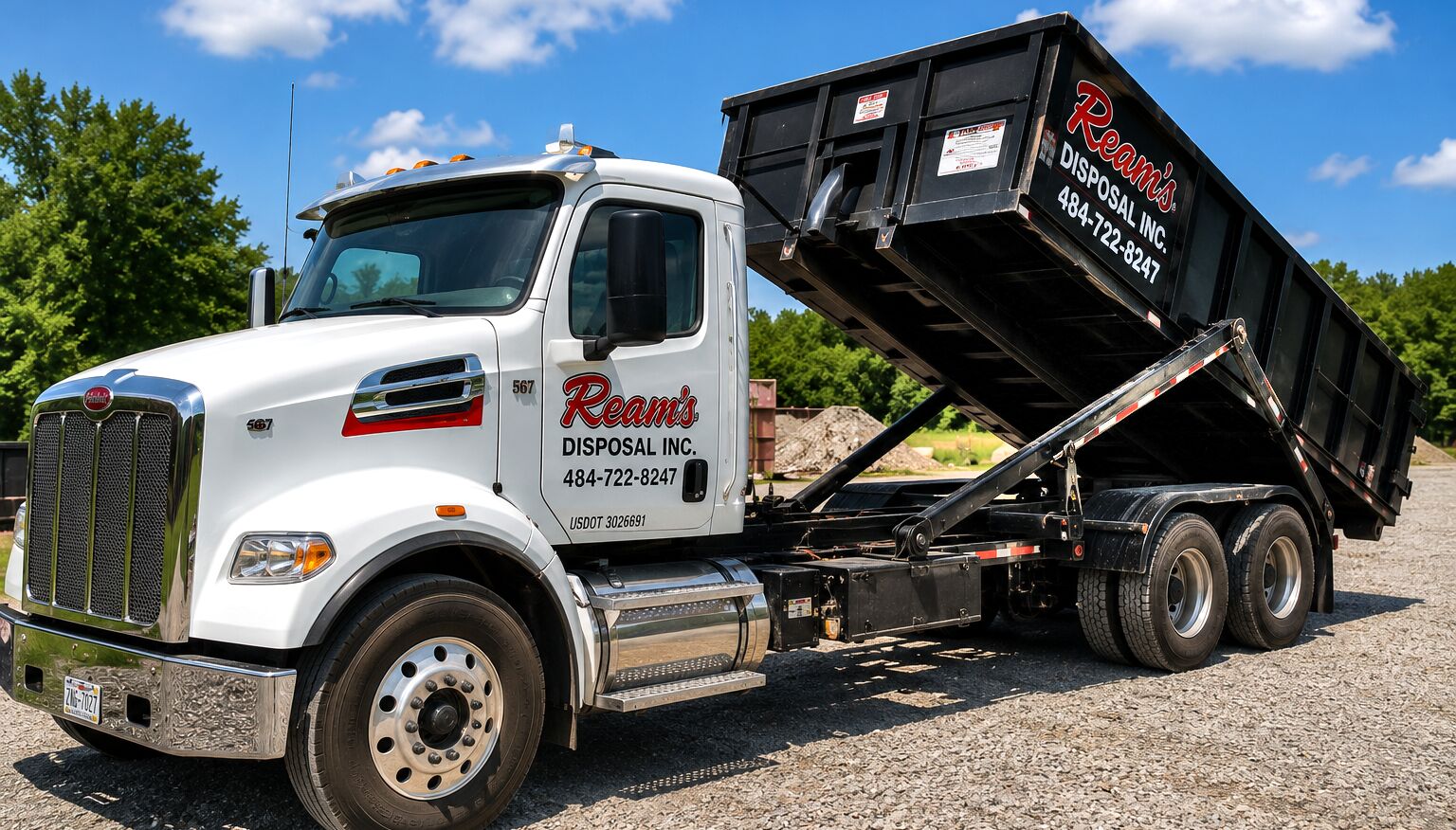
Roll-off dumpster trucks need considerably more space than a passenger vehicle. The driver must be able to approach the delivery location, raise the truck’s hydraulic system, and carefully lower the container into position.
Before delivery, move cars, trailers, equipment, basketball hoops, and other obstacles away from the area. Low-hanging tree branches and overhead utility lines may also create problems.
Keep the delivery route clear—not just the exact spot where the dumpster will sit.
If your driveway is narrow, steep, curved, or difficult to access, mention that when scheduling your rental. Ream’s Disposal can help coordinate the right service and discuss potential placement concerns before the truck is dispatched.
3. Protect Your Driveway
A loaded dumpster can become extremely heavy. Although no protective method can guarantee that a driveway will not be damaged, placing sturdy wooden boards beneath the container may help distribute its weight and prevent the metal wheels or rails from resting directly on the pavement.
If boards are recommended, have them ready before the truck arrives. Ask your rental coordinator what type and size of boards may be appropriate.
Older, cracked, thin, or recently installed driveways may require extra consideration. Always tell your rental provider about existing damage or concerns before delivery.
4. Check Whether You Need a Permit
A permit may be required if the dumpster will be placed on a public street, alley, sidewalk, or another public right-of-way. Requirements vary by municipality, township, borough, and city.
Do not assume that the rules are the same throughout Pennsylvania. Contact your local municipality before delivery to determine:
- Whether a permit is required
- How long approval may take
- Whether reflective markings or barricades are necessary
- How long the dumpster may remain in place
- Whether there are parking or traffic restrictions
Obtaining the correct approval ahead of time can help you avoid delivery delays, fines, or an unexpected request to move the container.
5. Plan for Doors and Loading Access
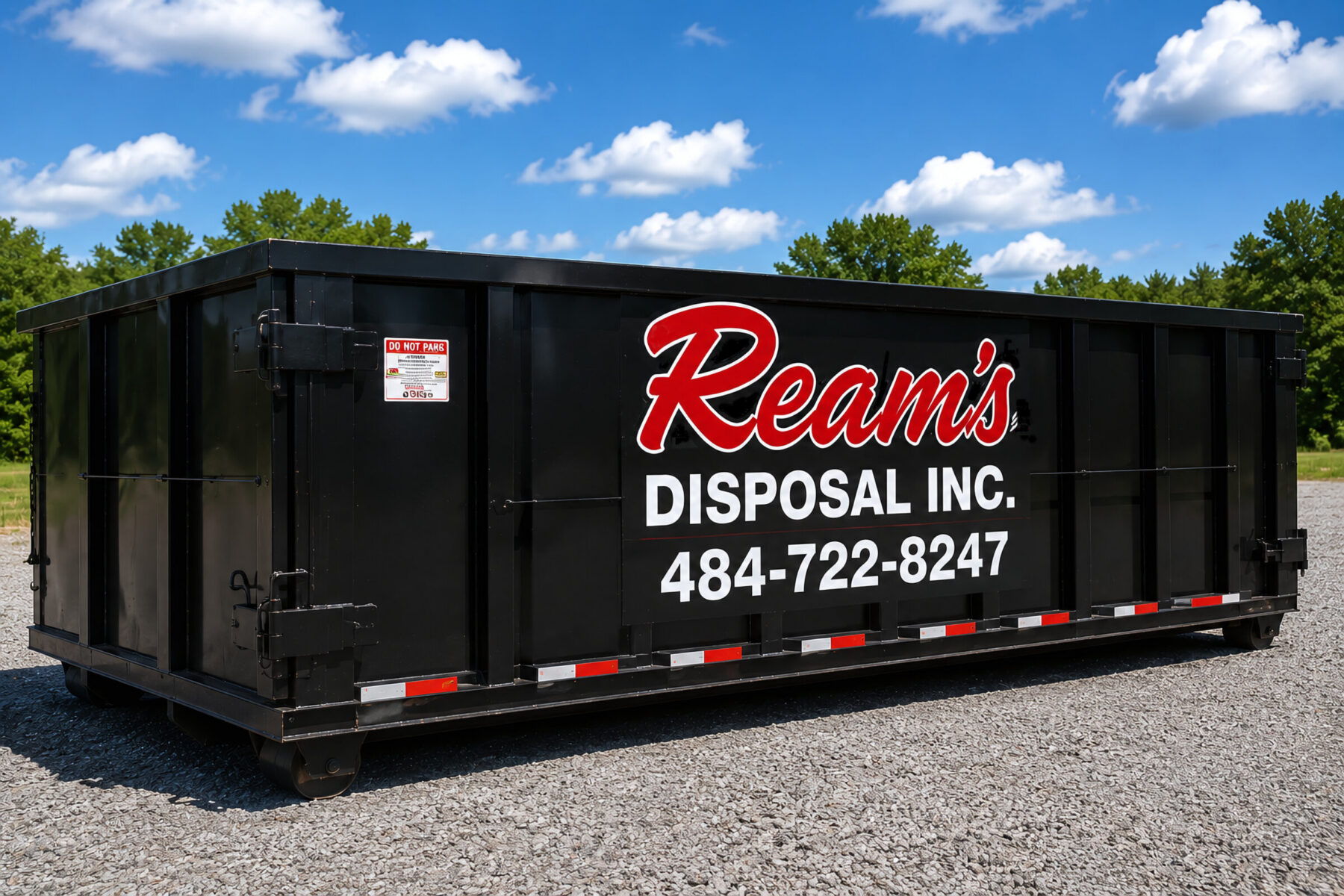
Some roll-off dumpsters include a rear door that allows you to walk heavier or bulkier items into the container. If you plan to use this feature, leave enough space behind the dumpster for the door to open fully.
This is especially helpful when disposing of furniture, renovation debris, cabinets, flooring, and other difficult-to-lift materials.
Once loading begins, distribute the material as evenly as possible. Place heavier items toward the bottom and avoid concentrating all the weight on one side.
Never move or reposition the dumpster yourself after delivery.
6. Know What You Are Throwing Away
Before filling the container, confirm which materials are permitted. Paint, chemicals, batteries, tires, appliances containing refrigerants, asbestos, propane tanks, and other hazardous or restricted materials may require separate handling.
Heavy materials such as concrete, brick, dirt, roofing, and plaster also need special attention. These materials can reach the dumpster’s weight limit long before the container appears full.
Discuss the project and expected debris with your rental coordinator in advance. Providing accurate information helps ensure that you receive the appropriate container and disposal instructions.
7. Keep the Dumpster Level With the Fill Line
Do not allow debris to extend above the top edge of the dumpster. Items that stick out can shift or fall during transportation, making the container unsafe to haul.
Avoid placing boards, furniture, or other long objects over the sides. If the dumpster fills faster than expected, contact your rental coordinator instead of continuing to pile material above the container.
Planning for the correct dumpster size can help prevent overflow, additional trips, and project delays.
8. Keep Children and Pets Away
A dumpster and the surrounding work area can contain nails, sharp metal, broken glass, unstable materials, and other hazards. Children should never be allowed to play inside or around the container.
Keep pets away from the dumpster as well. If necessary, use temporary barriers to separate the disposal area from the rest of the property.
9. Prepare for Pickup
The same access required for delivery will also be needed when the dumpster is removed.
Before the scheduled pickup:
- Clear vehicles and equipment from the truck’s route
- Make sure nothing extends above the dumpster
- Close and secure the dumpster door, if applicable
- Remove materials placed around the outside of the container
- Check that overhead and surrounding access remain clear
Remember that the dumpster will be much heavier when it is collected than when it was delivered.
A Little Preparation Makes a Big Difference
Dumpster delivery does not need to be complicated. Choosing a safe location, clearing the delivery route, understanding local requirements, and discussing your debris beforehand can prevent many common problems.
Ream’s Disposal helps homeowners, contractors, businesses, and property managers coordinate dependable dumpster service for projects of all sizes. If you are unsure about placement, container size, accepted materials, or delivery access, contact Ream’s Disposal before your project begins.
A quick conversation before delivery can save time, protect your property, and keep your cleanup moving forward.